Blog Overview
Commercial kitchens work under constant heat, pressure, and high cooking volumes. Over time, grease builds up inside extraction systems, creating serious fire and compliance risks. Many shop owners underestimate how quickly grease accumulates and when it crosses legal safety limits.
In this blog, you will learn what grease thickness limits mean, why they matter, and when cleaning becomes urgent. You will also discover how tr19 kitchen extract cleaning protects your business, your staff, and your customers.
Table of Contents
- Understanding Grease Thickness Limits
- Why Compliance Matters for Shop Owners
- When Cleaning Becomes Urgent
- Real World Scenario Every Shop Owner Should Know
- Operational Benefits Beyond Compliance
- How to Decide the Right Cleaning Schedule
- Final Thoughts
Understanding Grease Thickness Limits
Grease accumulation inside kitchen extract systems is not just a cleanliness issue. It is a serious fire hazard. According to TR19 guidelines, grease deposits above recommended thickness levels must be removed immediately to reduce fire risks.
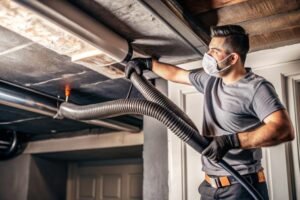
When grease builds up beyond safe limits, your kitchen ventilation system becomes dangerous. Heat, sparks, or flames can easily ignite grease deposits. This can spread fire quickly through ductwork and into other parts of the building. This is why TR19 kitchen extract cleaning is considered essential for commercial kitchens. It ensures your system is inspected, measured, and cleaned according to industry standards.
Why Compliance Matters for Shop Owners
Shop owners are responsible for maintaining safe environments. Whether you run a takeaway, restaurant, cafe, or food shop, your extraction system plays a critical role in safety. Failure to follow TR19 guidelines can lead to serious consequences. Insurance claims may be rejected after a fire if cleaning records are missing. Environmental health inspections can also result in warnings or closures. Regular TR19 kitchen extract cleaning helps demonstrate due diligence. It shows that you take safety seriously and maintain professional standards.
When Cleaning Becomes Urgent
Grease does not build up overnight. However, busy kitchens can reach dangerous levels faster than expected. Here are signs that cleaning should be scheduled immediately:
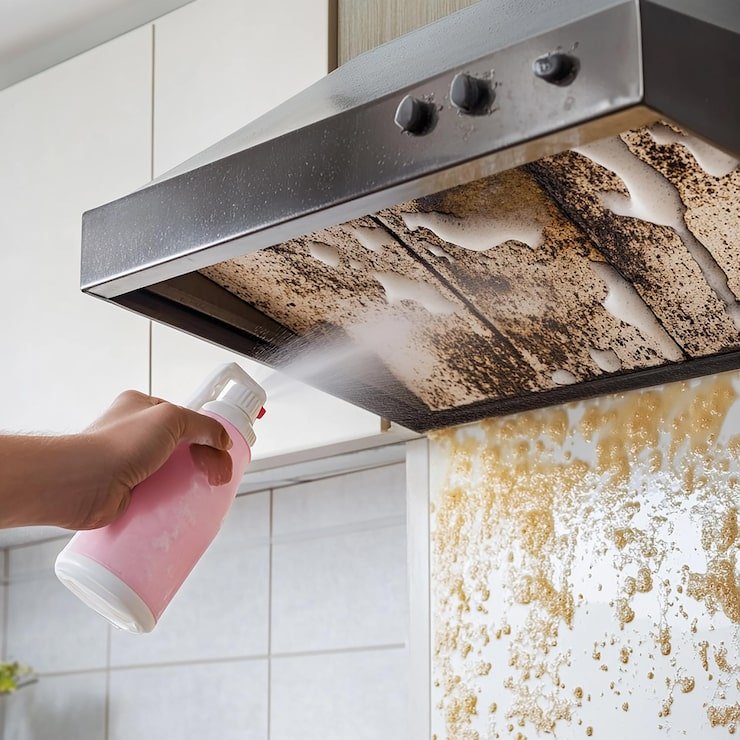
- Visible grease around vents or filters
- Strong cooking odours lingering in the kitchen
- Reduced airflow or poor ventilation
- Increased smoke during cooking
- Noise from extraction fans
These warning signs indicate that grease may have already crossed safe limits. In many cases, waiting longer only increases risk and cost.
A Real-World Scenario Shop Owners Can Relate To
Imagine a busy takeaway operating every evening. Over months, grease accumulates inside the duct system. Staff clean visible areas, but internal ducts remain untouched. One evening, high-heat cooking ignites grease inside the duct. The fire spreads quickly and damages the kitchen. This situation is more common than many shop owners realise. With proper TR19 kitchen extract cleaning, this risk can be reduced significantly.
Operational Benefits Beyond Compliance
Regular cleaning offers more than safety. It improves overall kitchen performance. Clean systems improve airflow and remove heat efficiently. Staff work in a more comfortable environment. Cooking equipment performs better. Clean extraction systems also reduce unpleasant odours. Customers enjoy a better dining experience. This can improve reviews and customer retention. In many cases, businesses also see reduced maintenance costs. Clean systems place less strain on fans and motors.
How to Decide the Right Cleaning Schedule?
Every kitchen is different. Busy kitchens require more frequent cleaning. Light-use kitchens may need less frequent service.
Consider the following factors when planning cleaning:
- Cooking volume
- Type of food prepared
- Operating hours
- Kitchen size
- Inspection results
Professional providers can assess your system and recommend a suitable schedule. This ensures you remain compliant without unnecessary expense.
Final Thoughts
Grease thickness limits are not just guidelines. They are critical safety thresholds that protect your business. Ignoring them can lead to fire risks, legal issues, and operational disruptions. Regular TR19 kitchen extract cleaning ensures your system remains safe, compliant, and efficient. It also protects your staff, customers, and reputation. If you want peace of mind and professional compliance support, explore expert services at Provent Compliance today. Their experienced team helps shop owners maintain safe and fully compliant kitchen extraction systems. Taking action now can prevent serious problems later.